Cleaning your cabinets properly before painting is a crucial step in achieving a flawless and long-lasting paint job. Whether you’re looking to refresh your kitchen, bathroom, or any other space, taking the time to clean your cabinets will ensure better adhesion, a smoother finish, and a result that lasts. Finding the right products from a reliable cleaning store is also key to preparing your cabinets properly. In this guide, we’ll walk you through the best cleaning techniques to prepare your cabinets for a professional-quality paint job.
Achieve a Flawless Finish: Preparing Your Cabinets for Painting
Painting your cabinets can be a transformative project, giving your kitchen or bathroom a fresh, updated look. However, before you start applying paint, it’s essential to prepare the surface correctly. Cleaning your cabinets thoroughly is one of the most important steps in ensuring a smooth, long-lasting finish. Without proper preparation, dirt, grease, and grime can prevent the paint from adhering, leading to peeling, chipping, or an uneven finish. In this guide, we’ll explore the best methods for cleaning your cabinets to guarantee a professional result.
Why Cleaning Cabinets Before Painting is Essential
Cleaning cabinets before painting is crucial to the success of your project. Over time, cabinets, especially in kitchens and bathrooms, collect dust, grease, and moisture that can act as barriers between the surface and the paint. If left uncleaned, these contaminants can prevent the paint from bonding properly, resulting in a poor finish that won’t last. By cleaning thoroughly, you ensure that your cabinets are prepped and ready to take on a new coat of paint.
Common Challenges: Dust, Grease, and Moisture
Cleaning cabinets isn’t as simple as a quick wipe-down. Dust can become embedded in the wood grain, while grease forms a slick layer that repels paint. Moisture in kitchens and bathrooms can lead to grime buildup, which also needs to be removed. Addressing these challenges will set the stage for a smooth, professional finish.
Best Cleaning Products for Cabinet Preparation
Choosing the right cleaning products is essential for getting your cabinets ready for painting. Below are some effective options that are both natural and commercial:
Natural Solutions: Vinegar and Water
A mixture of equal parts vinegar and water is a great natural cleaner for cabinets. This solution effectively cuts through grease and grime without leaving harmful residues. Spray the mixture on the cabinet surfaces and wipe with a microfiber cloth.
Commercial Cleaners: TSP and Alternatives
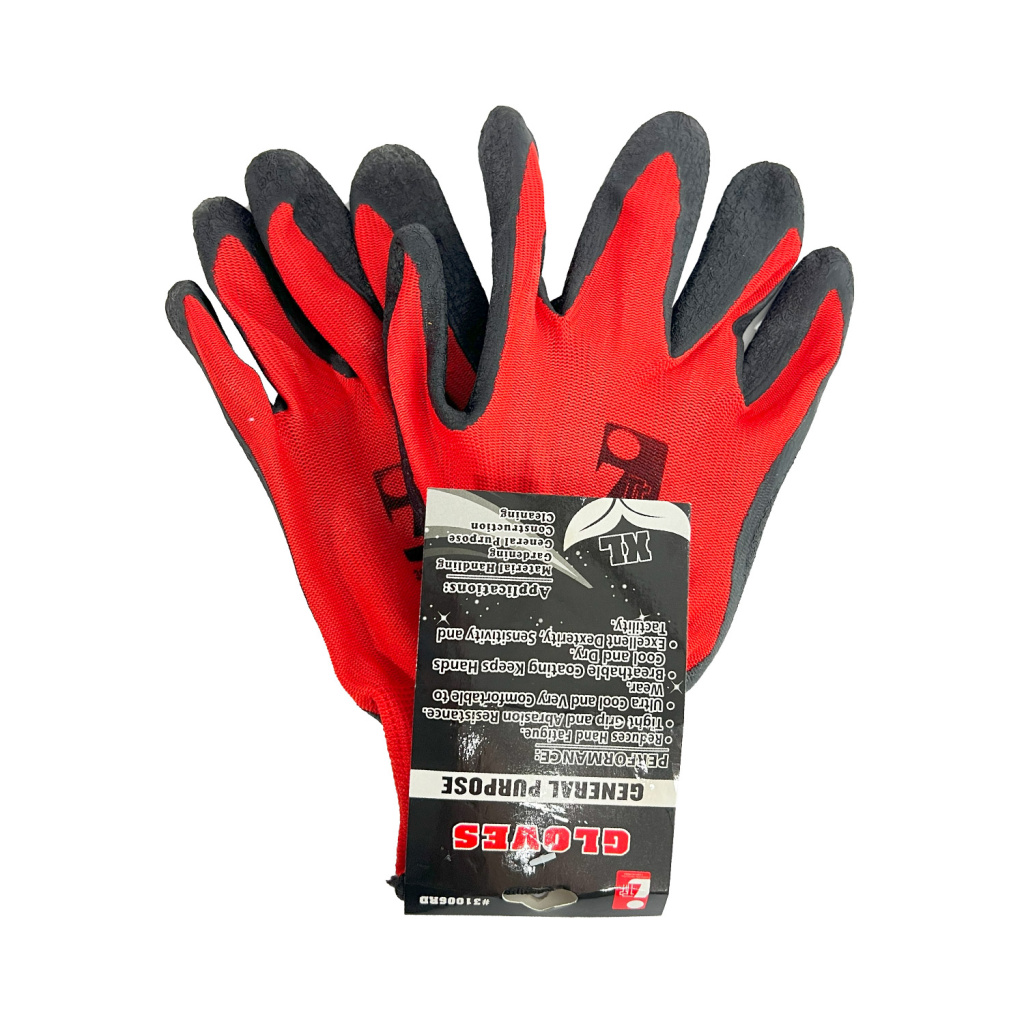
Trisodium Phosphate (TSP) is a powerful cleaning agent that works wonders on tough stains and grease buildup. It’s perfect for deep cleaning but requires caution—always wear gloves and follow the product’s instructions. For those who want a milder option, there are TSP alternatives available that offer effective cleaning without the harshness.
Step-by-Step Guide: How to Clean Cabinets Before Painting
Follow these steps to properly clean your cabinets before painting:
1. Removing Dust and Surface Debris
Begin by wiping down the cabinets with a microfiber cloth to remove loose dust and dirt. A vacuum with a brush attachment can help clean out any corners or crevices.
2. Degreasing for Maximum Paint Adhesion
Use your chosen cleaner, such as a vinegar solution or TSP, to thoroughly degrease the cabinet surfaces. Focus on areas around handles and edges where grease tends to build up. Rinse with clean water to remove any remaining cleaner.
3. Rinsing and Drying the Cabinets Properly
After cleaning, rinse the cabinets to remove any leftover cleaning agents. Dry them with a soft cloth to ensure there is no moisture left before painting.
Pro Tips for Ensuring Long-Lasting Results
For a paint job that stands the test of time, keep these pro tips in mind:
- Use a Tack Cloth: After cleaning, use a tack cloth to remove any fine dust particles.
- Light Sanding if Necessary: If your cabinets have a glossy finish, lightly sand them with fine-grit sandpaper to ensure the paint adheres better.
- Prime Before Painting: Always apply a quality primer before painting to enhance adhesion and improve the final finish.
How to Handle Stubborn Stains and Sticky Residue
Stubborn stains and sticky residue can be a challenge, but they’re manageable with the right approach:
Stubborn Stains
Create a paste using baking soda and water. Apply to the stain, let it sit for a few minutes, then scrub gently with a sponge.
Sticky Residue
For persistent sticky spots, use a commercial adhesive remover to break down the residue without damaging the cabinet surface.
Safety Precautions When Cleaning and Preparing Cabinets
Always prioritize safety when cleaning and prepping your cabinets:
- Wear Protective Gear: Gloves and a mask are essential when using strong cleaning agents like TSP.
- Ventilate the Area: Proper ventilation is crucial to avoid inhaling fumes.
- Follow Product Instructions: Always read and follow the instructions on any cleaning products to ensure safe and effective use.
The Impact of Proper Cleaning on Paint Quality
Proper cleaning is the foundation of any successful paint job. By taking the time to clean your cabinets thoroughly, you set yourself up for a flawless, long-lasting finish. Skipping this step can lead to frustrating results like peeling, chipping, or an uneven appearance. With a little extra effort in the cleaning phase, you can achieve a stunning transformation that will last for years.
A well-prepped surface ensures that the paint adheres smoothly and looks professional, providing a refreshed, polished look to your space. So, take the time to clean and prepare your cabinets properly—your final results will be well worth the effort!